 BBZ Institute
Pedagogical quality management
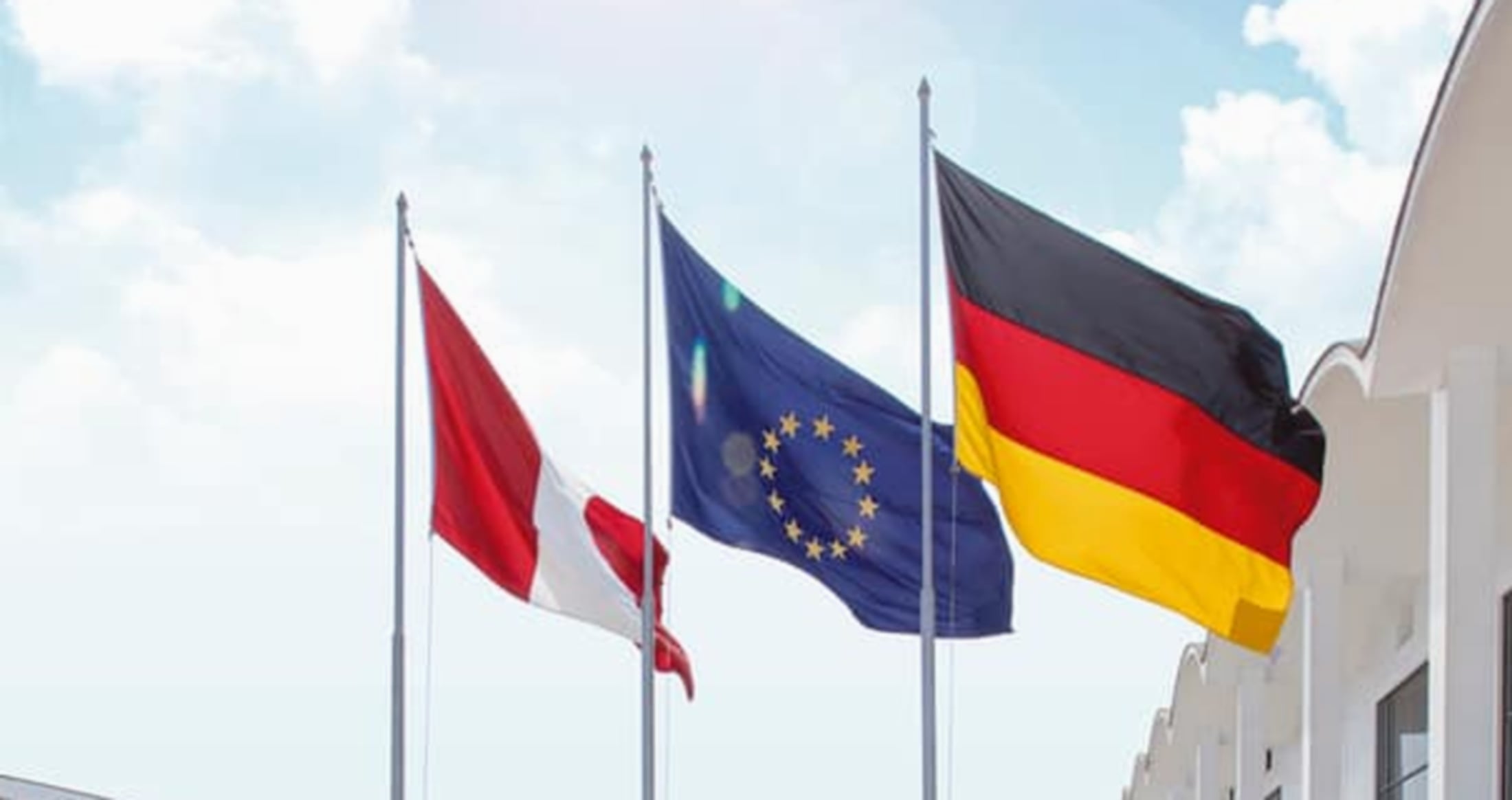
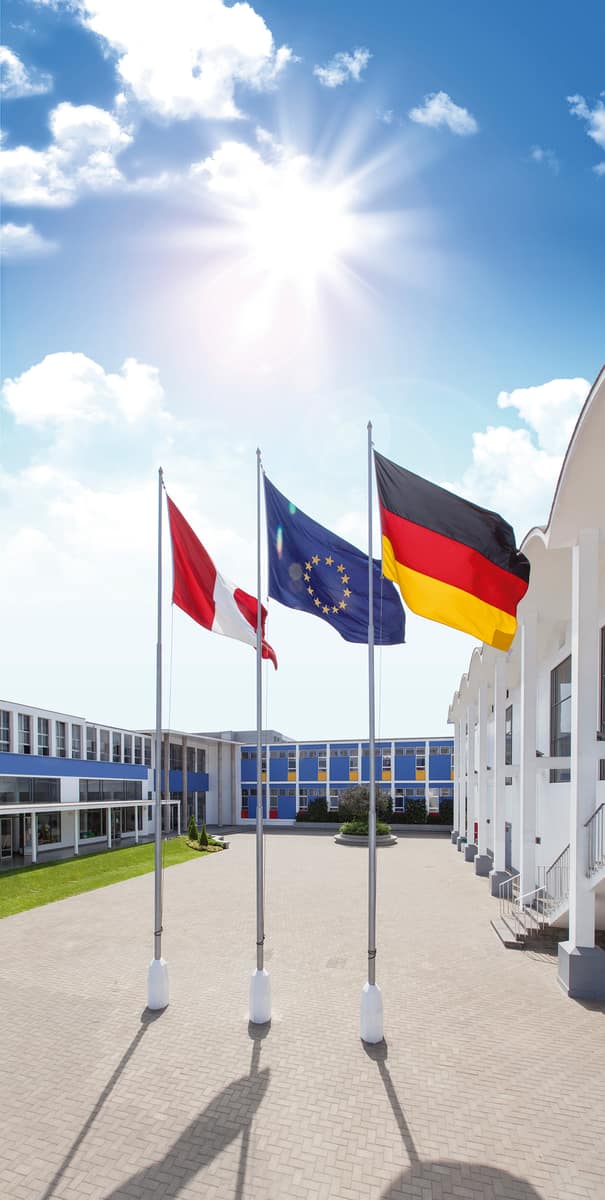
The Colegio Peruano Alemán Alexander von Humboldt develops its pedagogical quality management as an ongoing process of evaluation, planning and continuous improvement. It is part of the worldwide network of German Schools Abroad (Deutsche Auslandsschulen, DAS), made up of 136 institutions recognized by the Federal Republic of Germany.
As a member of this network, the Colegio Alexander von Humboldt applies the Pedagogical Quality Management (PQM) model, which comprises three areas: the development of teaching and learning, organizational development and staff development. This system makes it possible to identify strengths, set priorities and turn the results of evaluations into concrete actions to strengthen educational quality.
Distinción
Exzellente Deutsche Auslandsschule
The Colegio Alexander von Humboldt holds the Exzellente Deutsche Auslandsschule seal, a recognition awarded to German Schools Abroad that successfully pass the joint inspection carried out by the German federal government and the federal states. This seal certifies compliance with the quality standards of the DAS network and must be renewed through official evaluations.

BLI: external quality evaluation
The Bund-Länder-Inspektion (BLI) is the external evaluation applied to German Schools Abroad to ensure and develop their educational quality. It analyzes the main pedagogical and institutional processes, especially teaching and learning, organizational development and staff management. Its results make it possible to recognize strengths, identify opportunities for improvement and define the objectives that guide institutional development.
Based on this evaluation, the Colegio Alexander von Humboldt draws up an action plan coordinated with the Central Agency for Schools Abroad (ZfA), initiating an ongoing process of institutional strengthening.
The Triangle of Strength
The school's quality management is organized through the Triangle of Strength, made up of the PQM Coordinator (Pädagogisches Qualitätsmanagement), the Coordination Group and the Certification Group. Each body fulfills a specific role:
PQM Coordinator
Plans and coordinates development actions.
Coordination Group
Turns institutional needs and objectives into projects and action plans.
Certification Group
Evaluates processes, analyzes results and promotes a culture of feedback.
Coordination Group
The Coordination Group is made up of representatives from the different educational levels and from the school's Management. It gathers and brings together the proposals, needs and objectives of students, families, teachers, subject groups, Kindergarten, the Administration, Management and the Sponsoring Association. Based on the school's mission and vision, as well as the recommendations of the BLI, the ZfA and the Certification Group, it sets priorities, drives projects and monitors the institutional improvement plans.
Certification Group
The Certification Group supports institutional development through systematic processes of evaluation and feedback. It verifies the progress of projects, analyzes their results and makes recommendations to strengthen their implementation. It promotes a culture of feedback through evaluations supported by digital tools and the ongoing analysis of information.
Development projects and institutional routines
Quality management distinguishes between projects still in development and those that, after proving their effectiveness, are incorporated as institutional routines. Projects respond to specific needs and have objectives, designated leaders and monitoring mechanisms. Once consolidated, they become part of the school's everyday practice and continue to be reviewed and updated. Among the areas already institutionalized are prevention, tutoring, support for students with specific needs, a culture of feedback and the development of German language teaching.

School development today
The main development projects seek to strengthen the quality of teaching and learning. Among them are:
- Developing an interdisciplinary approach to strengthen digital skills.
- Reviewing the criteria used in lessons and assessments.
- Updating and standardizing the criteria for assessing performance.
- Peer observations among teachers based on institutional criteria for good teaching.
- Developing materials for substitute lessons.
- Strengthening cooperative and interdisciplinary learning.
- Introducing new learning modes and feedback systems.
These initiatives seek to improve the educational experience, provide greater clarity to students and families and consolidate teaching that is increasingly coordinated, innovative and focused on students' needs.
Continuous improvement
Membership in the DAS network, the Exzellente Deutsche Auslandsschule seal, the external BLI evaluation and the Pedagogical Quality Management model reflect the commitment of the Colegio Alexander von Humboldt to the quality standards of the German Schools Abroad. External evaluation, internal coordination, project monitoring and the participation of the school community form an ongoing cycle of improvement that strengthens pedagogical and institutional processes and ensures the sustainability of the improvements achieved.

Why the Alexander von Humboldt School?
Choosing a school is an important decision. We would be glad to guide you as you get to know our school and its educational approach.