 BBZ Institute
An integral vision of knowledge
A naturalist, geographer, physicist, geologist, explorer and writer, Humboldt developed an integral vision of knowledge. He studied nature as a system in which physical phenomena, living beings, climate and human activity are all connected.
His curiosity, his openness to other cultures and his ability to link different disciplines are principles that also guide our educational approach.
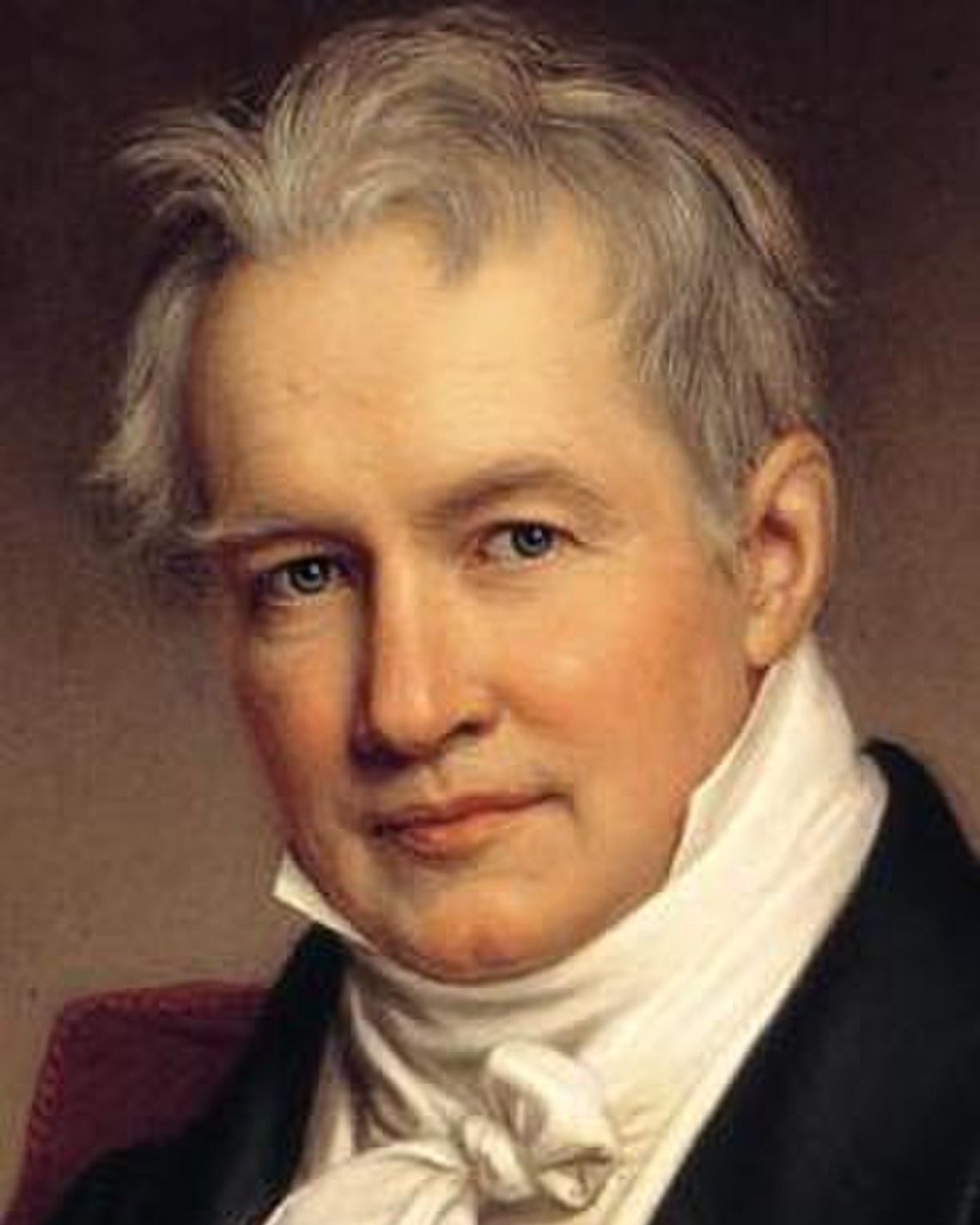
Why Alexander von Humboldt?
Alexander von Humboldt was a citizen of the world. He was born in Berlin in 1769, lived for several years in Paris, mastered several languages and kept in contact with scientists, artists and thinkers from many countries.
His work spanned fields such as geography, botany, climatology, mineralogy, oceanography and anthropology. That breadth allowed him to understand science from an interdisciplinary perspective.
Humboldt saw the Earth as the common home of humanity. He studied each individual phenomenon without losing sight of its relationship to the whole. This way of investigating made him a forerunner of ecological thinking.
His life embodies values that are fundamental to our educational community:
- Intellectual curiosity.
- Critical thinking.
- The capacity to observe.
- Interdisciplinary learning.
- Respect for nature.
- Intercultural openness.
- Autonomy.
- Responsibility towards knowledge.
Knowledge as an integral experience
Humboldt combined scientific observation with a deep humanist sensibility. For him, to know meant to explore, compare, ask questions and understand the connections between different phenomena.
He prepared his expeditions carefully, took measurements, collected samples, produced drawings and recorded his observations. On his return he organised and shared what he had learned through books, lectures and networks of scientific collaboration.
His way of working shows that learning gains meaning when it connects different areas of knowledge and makes the complexity of the world intelligible.
This vision speaks to an education that seeks to shape students capable of investigating, thinking independently, working with others and applying their knowledge in diverse contexts.
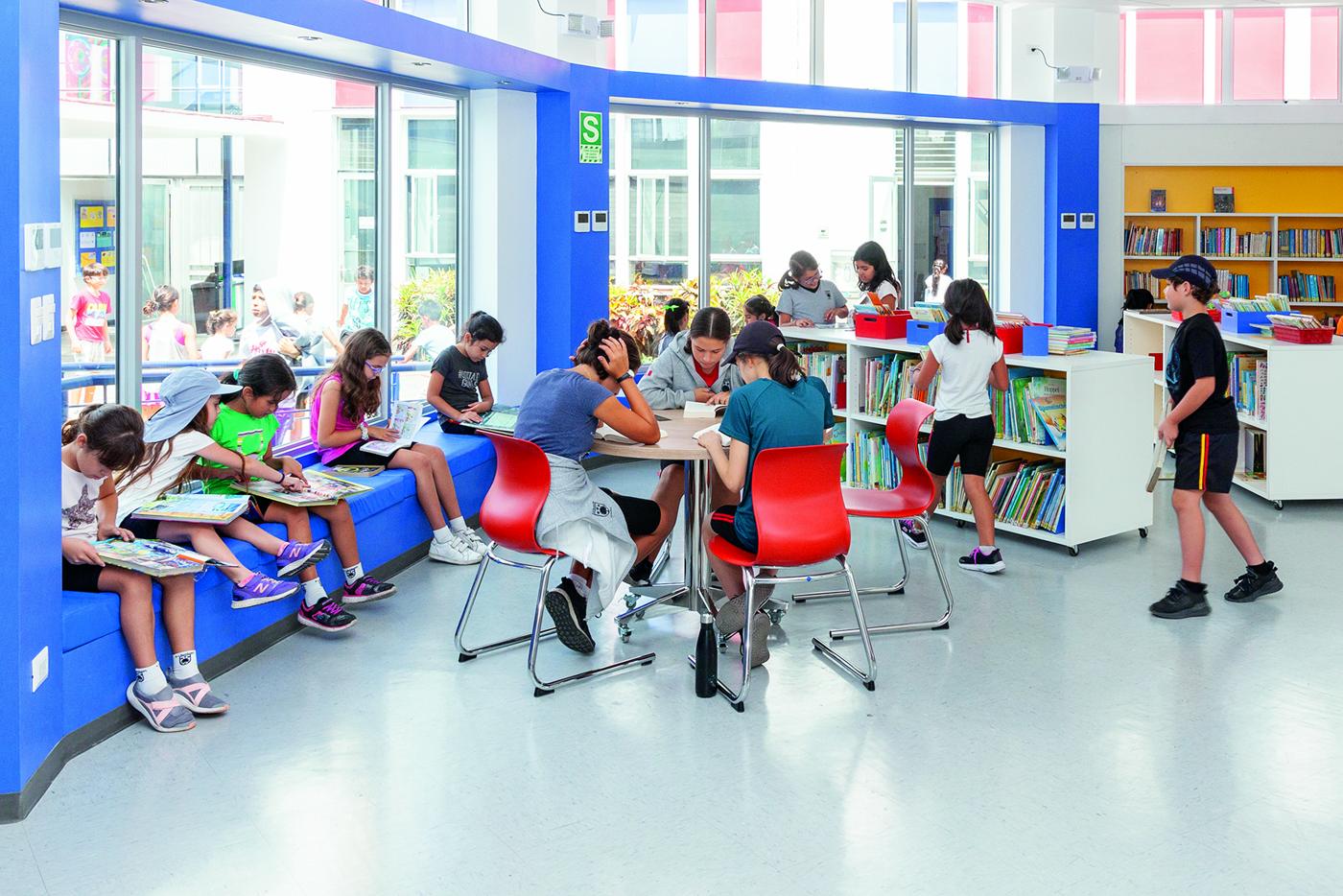
A love of nature
Humboldt's relationship with nature had scientific, aesthetic and ethical dimensions.
As a scientist, he sought to analyse, classify and explain the diversity of the natural world. As an observer, he recognised its beauty, vitality and harmony. As a humanist, he understood that such richness deserved respect and protection.
Humboldt studied the links between climate, geography, vegetation and human life. His research helped develop a broader understanding of ecosystems and of the transformations brought about by human activity.
His legacy remains fully relevant in an age that calls for people committed to caring for the environment and to the responsible use of knowledge.
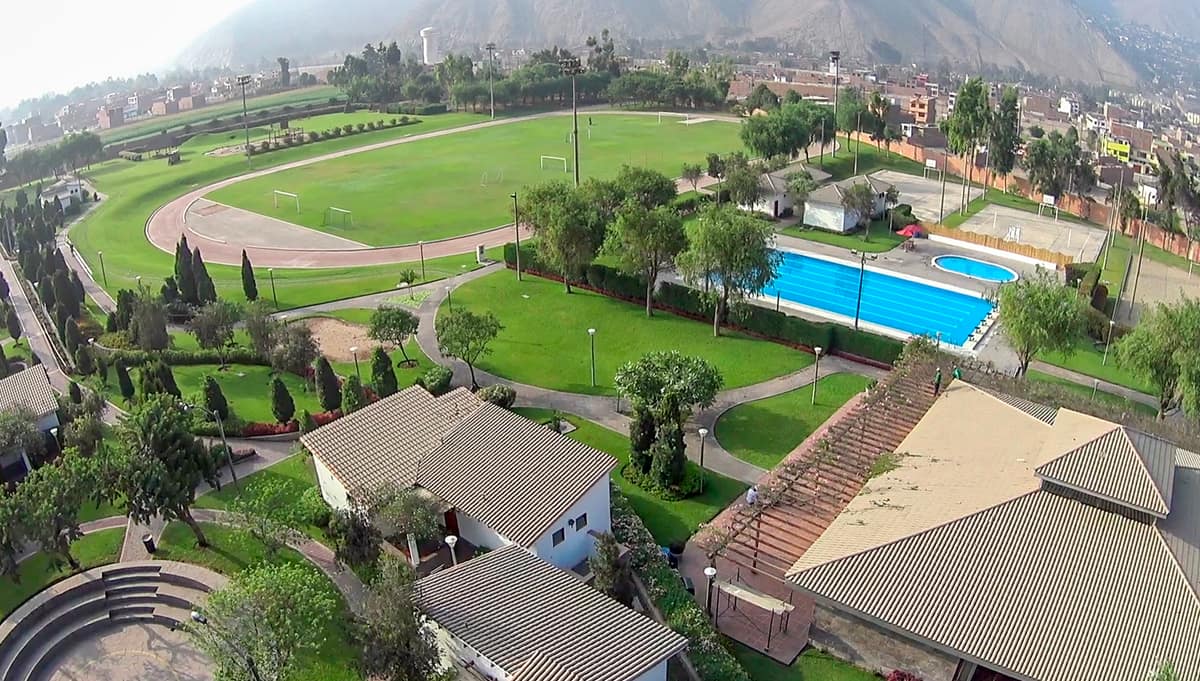
A life devoted to exploring and understanding
Alexander von Humboldt was born on 14 September 1769 in Berlin. He studied botany, mineralogy, commerce and natural sciences.
Between 1799 and 1804 he undertook, together with the naturalist Aimé Bonpland, a great scientific expedition through the Americas. He travelled through Venezuela, Cuba, Colombia, Ecuador, Peru, Mexico and the United States.
On his travels he studied volcanoes, mountains, rivers, ocean currents, plants, animals, minerals, climates and different forms of social organisation. He recorded his observations through measurements, writings, maps and illustrations.
In 1829 he set out on a new expedition through Russia and Siberia. In his final years he worked on Kosmos, a work in which he sought to present an integral vision of the universe and of the relationships between its different components.
He died in Berlin on 6 May 1859.
Alexander von Humboldt in Peru
Humboldt entered Peruvian territory in August 1802 and remained in the country until December of that year.
On his journey he studied the geography, mining, vegetation, climate and various aspects of Peruvian society. He travelled from the north of the country to Lima and made observations in different localities of the coast and the Andes.
In Lima he met scientists and scholars connected with the intellectual life of the city. He also studied documents, plant species and collections related to the natural history of the territory.
On 9 November 1802 he observed the transit of Mercury from Callao. During his journey along the coast he took measurements of the cold current of the south-eastern Pacific, later associated with his name.
His passage through Peru is part of a scientific expedition that transformed the way the American continent was studied and represented.
Humboldt's legacy at our school
Alexander von Humboldt represents a way of learning grounded in curiosity, research and the encounter between cultures.
His legacy inspires an education that:
- Connects the sciences, the humanities and the arts.
- Promotes command of several languages.
- Develops critical thinking.
- Values learning through experience.
- Strengthens intercultural understanding.
- Fosters respect for nature.
- Shapes students able to act with autonomy and responsibility.
Bearing his name expresses our commitment to an education open to the world, engaged with knowledge and aware of its responsibility towards society and the environment.
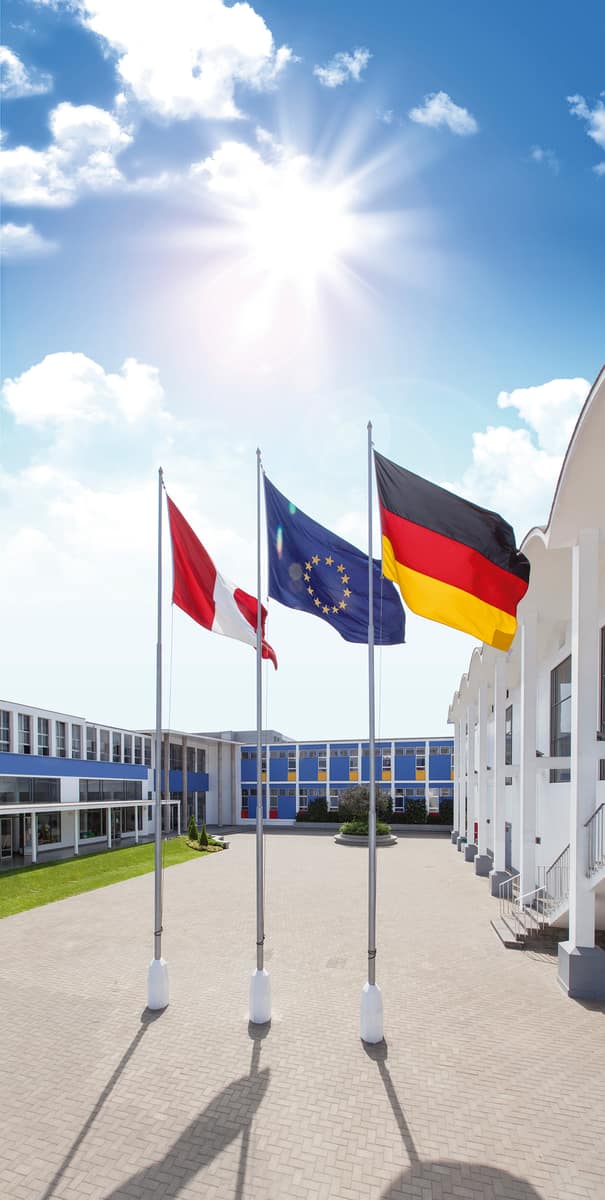
Explore his life and work
Discover the main events of his biography, the itineraries of his expeditions and his connection with Peru.

Why the Alexander von Humboldt School?
Choosing a school is an important decision. We would be glad to guide you as you get to know our school and its educational approach.